
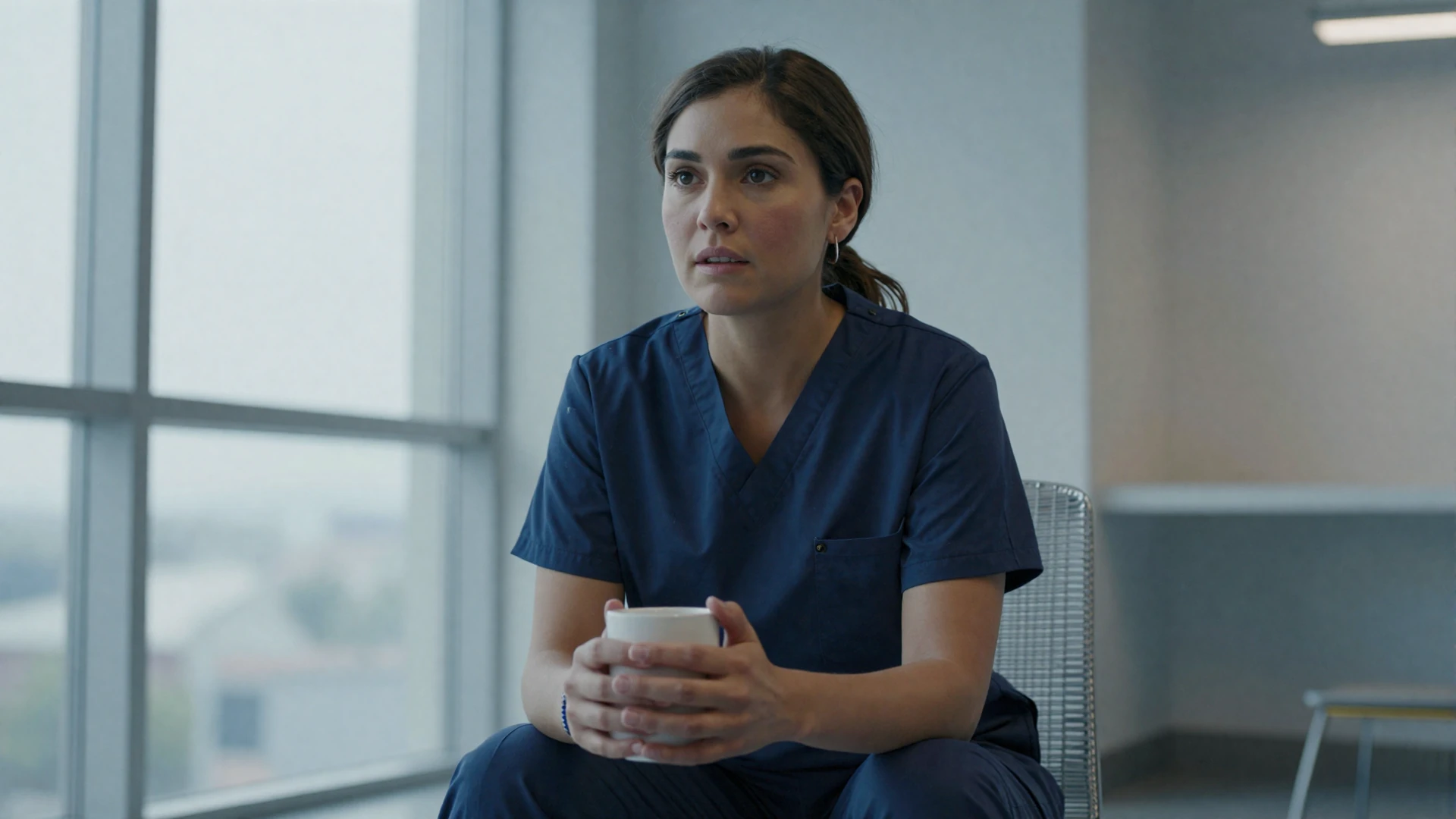
Critical Care Nurse Dating: Meet Women Who Thrive Under Pressure
ICU nurses are a rare breed - women who remain calm when everything around them is chaos, who hold families together during the hardest moments of their lives, and who bring that same extraordinary composure into their relationships. If you're looking for a partner with unmatched emotional resilience, deep empathy, and the strength to handle whatever life throws your way, a critical care nurse might be exactly who you've been searching for.
Free to join · Verified profiles · Serious relationships only
The Emotional Strength of Critical Care Nurses
ICU nurses don't just monitor vital signs - they manage life-and-death situations, comfort terrified families, and make split-second decisions that determine outcomes. That level of emotional fortitude doesn't switch off when they leave the hospital. It shapes who they are as partners, communicators, and life companions.
Resilience Forged in the ICU
Critical care nurses work in one of the most demanding environments in healthcare. They manage ventilators, titrate life-saving medications, and care for patients hovering between life and death. A typical ICU shift involves managing multiple unstable patients simultaneously, responding to rapid deteriorations, and supporting families through the worst moments of their lives.
That intensity builds a kind of emotional resilience that's rare in any profession. When you date an ICU nurse, you're partnering with someone who has learned to stay grounded when everything is falling apart. She won't crumble under pressure - she'll assess the situation, communicate clearly, and work through it. That translates directly into how she handles relationship challenges, financial decisions, and family crises.
Many critical care nurses also develop a deep appreciation for life's simple moments. After spending 12 hours with patients fighting to survive, a quiet dinner at home becomes something she genuinely treasures. She values presence, honesty, and emotional availability - qualities that form the bedrock of a serious, long-term relationship.
Looking for someone with similar intensity but a different pace? Explore our emergency nurse dating page to compare ER and ICU lifestyles, or visit the main nurse dating site hub for a broader view of nursing careers.

Deep Empathy
ICU nurses comfort families during the most vulnerable moments imaginable. That capacity for empathy doesn't end at the hospital doors - she'll bring genuine emotional presence into your relationship.
Unshakable Composure
When a patient crashes, the ICU nurse is the person everyone looks to. That calm-under-fire mentality means she won't panic when life throws challenges your way - she'll problem-solve.
Career Stability
Critical care nursing is one of the most in-demand specialties in healthcare. With a national nursing shortage and ICU beds growing, her career offers exceptional job security and advancement opportunities.
Quality Over Quantity
After 12-hour shifts managing critically ill patients, an ICU nurse values her time off intensely. She'll make every moment together count - no mindless scrolling, no wasted evenings.
Navigating 12-Hour Shifts and High Stress
Understanding an ICU nurse's schedule is essential for making the relationship work. Critical care nurses typically work three 12-hour shifts per week - but those shifts are anything but ordinary. Here's what to expect and how to build a thriving relationship around it.
The 12-Hour Shift Reality
A typical ICU shift runs 7 AM to 7 PM (or 7 PM to 7 AM for night shifts). But "12 hours" often means 13 or 14 once handoff reports are complete. During those hours, she's fully immersed - no casual texting, no midday phone calls. She's managing ventilators, titrating vasoactive drips, and responding to code blue emergencies. Respecting that intensity is the first step to a successful relationship.
The good news? Three 12-hour shifts means four days off every single week. That's more consecutive free time than most professions offer. The key is planning: schedule date nights on her days off, not after a shift when she's emotionally and physically depleted. An ICU nurse coming off a 13-hour shift where she lost a patient isn't in the mood for a crowded restaurant - but she might love a quiet evening at home with takeout and a movie.
Night shifts add another layer. When she's on nights, her circadian rhythm flips entirely. She sleeps during the day and is awake when most people are asleep. This requires flexibility and understanding from her partner. The most successful relationships with night-shift ICU nurses involve partners who adapt - keeping the house quiet during her sleep hours, planning evening activities on her days off, and never making her feel guilty for needing rest.
Here's the thing: the emotional weight of critical care nursing is real. ICU nurses witness suffering and loss that most people never encounter. Some days she'll come home quiet and withdrawn. Other days she'll want to talk through a difficult case. Your role isn't to fix it - it's to listen, hold space, and let her decompress in whatever way she needs. That kind of emotional support is what makes these relationships work.
The bottom line? Dating an ICU nurse requires intentionality. You can't wing it. But if you're willing to plan around her schedule, respect her need for recovery time, and show up consistently, you'll have a partner who brings the same fierce dedication to your relationship that she brings to her patients.
Financial Stability in Critical Care Nursing
Critical care nursing is one of the highest-paying nursing specialties, reflecting the advanced skills and high-stakes environment these professionals navigate daily. Here's what the numbers say about ICU nurse compensation and career outlook.
Salary data: Bureau of Labor Statistics Occupational Outlook Handbook 2025; Employment projections: BLS 2024
Key Takeaway
Critical care nurses earn above the general RN median of $86,000, with experienced ICU nurses in high-cost-of-living areas regularly exceeding $110,000. Add in shift differentials for nights and weekends (typically 10-15% premiums), and many ICU nurses clear $120,000 without overtime. Combined with strong job security and a four-day work week, the financial profile is highly attractive for long-term partnership.
Compatibility with Emergency and General Nursing
ICU nurses share traits with other nursing specialties but have a distinct personality profile shaped by their environment. Understanding these differences helps you find the right match - or explore adjacent careers if critical care isn't quite the fit you imagined.
ICU vs. Emergency Nursing
Both ICU and ER nurses thrive in high-stakes environments, but the pace is fundamentally different. ER nurses operate in short bursts - stabilizing patients for minutes or hours before they're admitted or discharged. ICU nurses manage patients over days or weeks, developing deep connections with families and witnessing long-term outcomes.
If you're drawn to the adrenaline and unpredictability of emergency medicine, dating an ER nurse might be a better fit. ER nurses tend to be quick-decision extroverts who thrive on variety. ICU nurses are often more methodical and introspective - they excel at sustained focus and long-term emotional investment.
Both specialties demand extraordinary resilience. The difference is temporal: ER is a sprint, ICU is a marathon. Consider which rhythm better matches your own personality and lifestyle.
ICU vs. General Floor Nursing
General floor nurses - medical-surgical, telemetry, or step-down - work with stable or semi-stable patients. The pace is busy but rarely life-or-death in the moment. Schedules are similar (three 12-hour shifts), but the emotional intensity is significantly lower.
If you prefer a partner whose work stress stays at a more manageable level, the main nurse dating site page covers the full spectrum of nursing specialties. General floor nurses bring the same compassion and stability with less emotional carryover from work.
Ultimately, the best match depends on what you value: the fierce resilience of an ICU nurse, the quick-thinking energy of an ER nurse, or the steady warmth of a general floor nurse. All three make exceptional partners - it's about finding the personality that complements yours.
Frequently Asked Questions About Dating ICU Nurses
Everything you need to know about meeting and building a relationship with a critical care nurse - from shift challenges to emotional support. Straight answers, no fluff.
Dating an ICU nurse means partnering with someone who operates at an extraordinary level of emotional resilience. She works 12-hour shifts managing critically ill patients, so her schedule is compressed (typically three shifts per week with four days off). The relationship requires understanding: she may come home emotionally depleted after losing a patient, and she needs a partner who can listen without trying to fix everything. The reward is a deeply empathetic, fiercely loyal partner who values quality time and brings unshakable composure to life's challenges.
ICU nurses typically work three 12-hour shifts per week, meaning four consecutive days off. During work days, she's fully immersed - no casual texting or midday calls. The key to a successful relationship is planning date nights on her days off, not after a shift when she's exhausted. Night shifts add complexity since her sleep schedule flips entirely. Successful partners adapt by keeping the house quiet during her sleep hours and planning activities around her off days.
Critical care nurses earn between $80,000 and $120,000 annually, with experienced ICU nurses in major metropolitan areas regularly exceeding $100,000. Night and weekend shift differentials add 10-15% premiums, pushing many ICU nurses above $120,000 without overtime. This is above the general RN median of $86,000, reflecting the advanced certifications and high-stakes environment critical care requires.
Yes - ICU nurses actually have more consecutive free time than most professionals. Three 12-hour shifts means four days off every week. The challenge isn't quantity of time but quality: after an intense ICU shift, she may need recovery time before socializing. The most successful relationships with ICU nurses involve partners who plan intentionally, respect her need to decompress after shifts, and make the most of her extended days off.
The most important thing is to listen without trying to fix. ICU nurses carry emotional weight from patient outcomes - including loss - that most people never encounter. Some days she'll want to talk through a difficult case; other days she'll need silence. Ask what she needs rather than assuming. Create a calm home environment, respect her recovery time after shifts, and never minimize the emotional toll of her work. Consistency and presence matter more than grand gestures.
Yes, creating a profile and browsing verified critical care nurse profiles is completely free. You can explore all healthcare profession categories, view compatibility scores, and read profile details at no cost. Premium features - including unlimited messaging, video calls, and the shift-sync calendar tool - are available with a subscription. We never sell your data, and your profile is never visible to non-members.
Explore More Nursing Specialties
Critical care is just one path in the nursing world. If you're curious about adjacent specialties or want to cast a wider net, here are the most relevant pages to explore next.
Related Nursing Specialties
If the ICU environment appeals to you but you want a different pace, consider dating an emergency nurse for a faster, burst-style rhythm. For a broader nursing experience with less emotional intensity, the general nurse dating page covers med-surg, telemetry, and floor nursing. And for the highest-earning nursing specialty at $200K+, explore nurse anesthetist dating.
Explore the Full Platform
NextDoctorDate covers 17 healthcare professions and 22 physician specialties. Start from the homepage to see the full network, or browse the doctors dating hub if you're also interested in dating physicians. For relationship advice specific to healthcare lifestyles, check out our blog for articles on emotional intelligence, specialty compatibility, and building healthy relationships with medical professionals.