
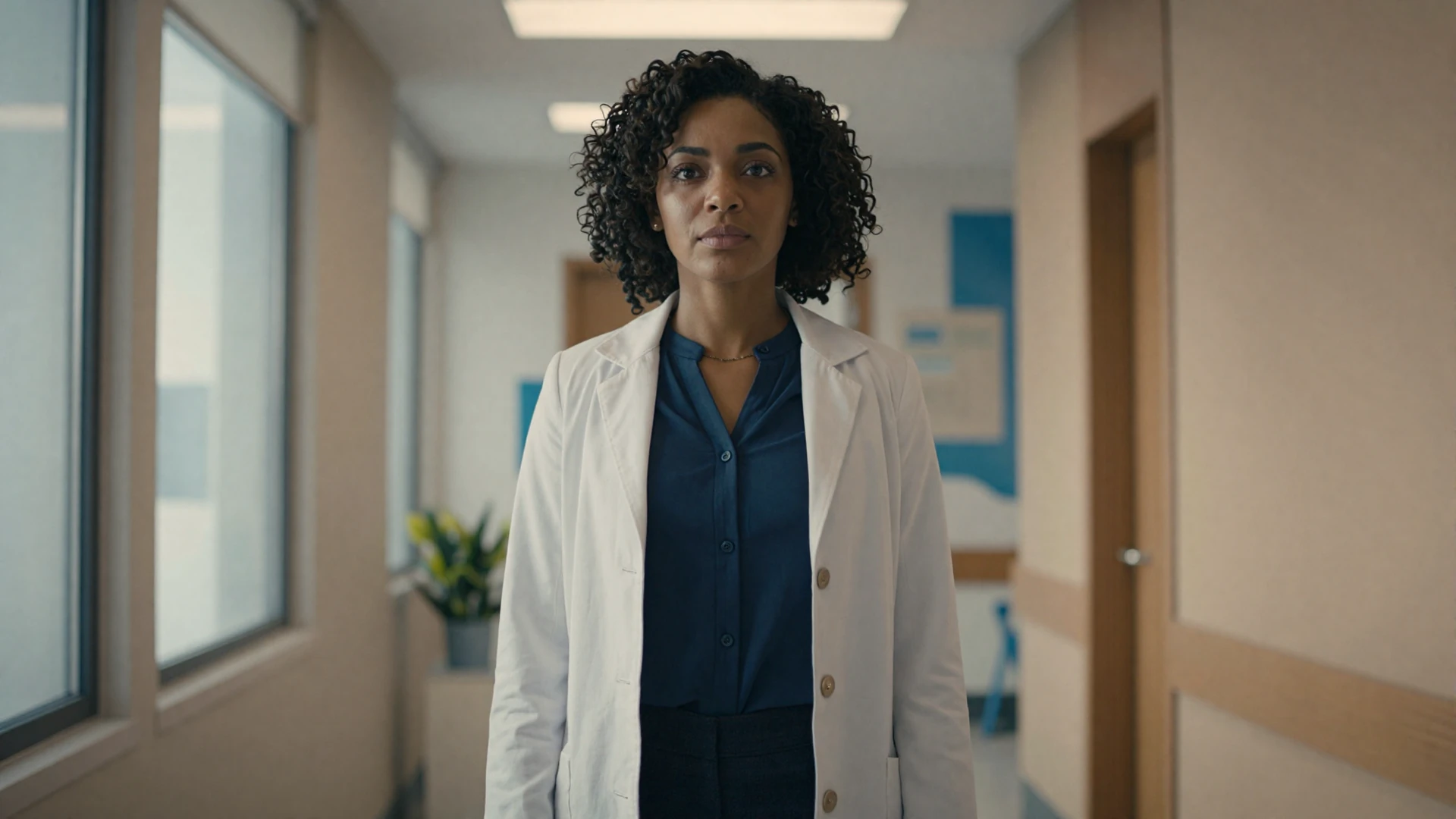
Oncologist Dating Site: Meet Women Who Face Life's Hardest Moments With Grace
Oncologists are the physicians who walk alongside patients through cancer - delivering diagnoses, designing treatment plans, and sitting with families during the most vulnerable moments of their lives. Dating an oncologist means being with a woman who has developed extraordinary emotional strength, a capacity for empathy that few professions can forge, and a perspective on what truly matters that transforms how she lives and loves. If you're looking for doctor singles who combine intellectual brilliance with a rare depth of character, this is where you'll find them.
Free to join · Verified physicians · Serious relationships only
Why Oncologists Bring Emotional Strength and Deep Empathy to Love
Oncology attracts physicians who are drawn to the deepest human experiences - hope, fear, grief, and resilience. The specialty demands not only scientific expertise but an extraordinary capacity to hold space for suffering while maintaining clinical clarity. These qualities shape how oncologists approach relationships - with patience, emotional depth, and an unwavering appreciation for the present moment.
Emotional Resilience Built Through Daily adversity
Oncologists navigate loss regularly. They deliver difficult news, manage treatment failures, and comfort families through grief - sometimes multiple times in a single day. This sustained exposure to human vulnerability builds a kind of emotional armor that doesn't make someone cold; it makes them grounded. A woman who has learned to process grief without being consumed by it brings remarkable steadiness to a relationship. When life throws challenges your way - career setbacks, family crises, health scares - an oncologist partner has already developed the tools to face them without falling apart.
Profound Empathy and Active Listening
Oncology training hones communication skills to a level few other specialties require. Oncologists learn to read what patients don't say - the unspoken fear behind a question, the hesitation before a treatment decision, the weight of a family member's silence. This translates directly into how they listen in a relationship. An oncologist won't just hear your words; she'll notice the shift in your tone, the pause before an answer, the thing you almost said. This depth of attentiveness creates a partnership where you feel genuinely understood, not just heard.
A Perspective on Life That Prioritizes What Matters
There is no specialty in medicine that confronts mortality more directly than oncology. Women who choose this path do so knowing they will spend their careers helping people fight for more time - and sometimes losing that fight. This proximity to life's fragility gives oncologists a clarity that's hard to find elsewhere. They tend to value experiences over possessions, presence over productivity, and meaningful connection over superficial status. Dating an oncologist means being with someone who won't sweat the small stuff - because she knows exactly how small it is.
Here's the thing
Oncologists don't just treat cancer - they coordinate every dimension of a patient's care: chemotherapy, radiation, surgery, clinical trials, palliative planning, and emotional support. They are the quarterback of a multi-specialty team, which means they've developed leadership skills, systems thinking, and the ability to make complex decisions under emotional weight. When an oncologist commits to a relationship, she brings that same coordination mindset - she'll think about the big picture, anticipate what's coming, and make sure nothing falls through the cracks.
The Oncologist Reality: Emotional Weight, Infusion Days, and Finding Joy
Understanding an oncologist's schedule and emotional load is essential for anyone dating a doctor in this specialty. The rhythm of oncology work is shaped by clinic days, infusion center oversight, hospital rounds, and the emotional toll of patient outcomes.
Clinic Days and Treatment Planning
Most oncologists split their week between outpatient clinic and inpatient rounds. Clinic days are dense - typically 20 to 30 patient appointments, each involving complex discussions about treatment options, side effects, prognosis, and quality-of-life decisions. Unlike radiologists, who interact with imaging rather than patients directly, oncologists sit across from people facing the most frightening diagnosis of their lives. A single clinic day can include delivering a new cancer diagnosis, celebrating a patient in remission, and adjusting treatment for someone whose cancer has progressed - all before lunch.
Infusion Center Oversight and Hospital Rounds
Oncologists supervise chemotherapy administration in infusion centers, monitoring patients for reactions and adjusting protocols in real time. They also round on hospitalized cancer patients - those admitted for complications like neutropenic fever, severe pain, or treatment side effects. Hospital rounds typically begin at 7 AM, and an oncologist may be responsible for 10 to 20 inpatients at any given time. Call coverage is usually shared among a group, but an oncologist on call must be available for emergencies like tumor lysis syndrome or acute oncologic crises at any hour.
"Oncology teaches you that time is the only currency that matters. You watch people fight for months they'll never get, and it changes how you spend your own. I don't waste weekends on things that don't matter. I show up for the people I love, fully, because I know what it looks like when someone can't." - Dr. R., medical oncologist, 8 years in practice
Emotional Weight and Decompression
The emotional toll of oncology is real and sustained. Patient losses accumulate - sometimes a patient an oncologist has treated for years passes away, and the next appointment is in 15 minutes. This requires a compartmentalization skill that takes years to develop. A partner who understands this will recognize that some evenings require quiet, some weekends need to be unplugged, and some anniversaries of patient losses will be harder than others. For more on navigating this dynamic, read our guide on why emotional intelligence matters in doctor relationships.
What does this mean in practice? It means some days she'll come home carrying something heavy that she can't fully share due to patient confidentiality. It means she may attend more funerals than most people her age. But it also means she will never take your presence for granted, never waste a shared evening, and never forget that health and time together are gifts. The oncologists who thrive in relationships are the ones who've learned to hold the weight without letting it consume them - and a supportive partner is a critical part of that equation.
Compatibility: Oncologists and Diagnostic Specialists
Oncologists work most closely with physicians who share the cancer care continuum - from diagnosis through treatment planning. Here's how oncology pairs with two specialties that understand the weight of this work.
Oncologist & Radiologist
Radiologists and oncologists are inseparable in cancer care - radiologists interpret the imaging that determines staging, monitors treatment response, and detects recurrence. Both specialties share a commitment to precision and a deep understanding of cancer biology. While radiologists work behind the scenes with imaging rather than direct patient interaction, they carry the same diagnostic weight that oncologists rely on for every treatment decision. A couple in these fields speaks the same clinical language and understands the gravity of each finding.

Oncologist & Hematologist
Hematologists and oncologists frequently overlap in practice - many physicians are board-certified in both hematology and oncology (hem/onc). They share the same patient population for blood cancers like leukemia and lymphoma, collaborate on treatment protocols, and understand the emotional weight of diseases that can progress rapidly. A couple in these fields shares not only professional language but also the same daily reality of sitting with patients through some of medicine's most challenging diagnoses.
Oncology by the Numbers
Oncology combines meaningful work with strong compensation and a demanding but structured schedule. Here's what the data reveals about income, training, and work hours for women oncologists.
Salary data: Medscape Physician Compensation Report 2025; Training data: ACGME 2025; Hours data: ASCO Workforce Survey 2025
Oncologist Dating: Frequently Asked Questions
Direct answers about what it's really like to date a woman oncologist - from emotional burnout and patient loss to financial expectations and schedule realities.
Oncologists develop compartmentalization skills through years of training and experience. They process grief in structured ways - through peer debriefings, therapy, and the professional distance required to continue treating the next patient. However, the emotional weight is real and cumulative. Some evenings require quiet decompression, and certain patient losses leave a lasting mark. A partner who offers a non-judgmental, calm presence during these moments is invaluable. Oncologists who maintain healthy relationships typically have strong support systems that help them separate work grief from personal life.
Medical oncologists earn an average of $398,000 annually in the United States, according to the 2025 Medscape Physician Compensation Report. Salaries vary based on practice setting - academic centers typically pay less than private practice, while oncologists in specialized cancer centers or with research roles may earn $450,000 or more. Hematology-oncology combined specialists often earn slightly higher due to broader scope of practice. Medical school debt averages $250,000, but oncologist incomes allow for steady repayment.
Oncologists typically split their week between outpatient clinic days (20 to 30 appointments), inpatient hospital rounds (starting at 7 AM), and infusion center oversight. Call coverage is shared among a group but can require availability for oncologic emergencies at any hour. Clinic days are emotionally dense - delivering diagnoses, discussing prognoses, and managing treatment plans. Partners should expect that some evenings will require decompression time, but oncologists generally have more predictable schedules than surgical specialties or ER doctors.
Oncology requires a three-year internal medicine residency followed by a three-year fellowship in hematology-oncology (or medical oncology alone). Some oncologists complete additional fellowship training in subspecialties like breast oncology or palliative care. Total education after high school spans approximately 13 years: four years of college, four years of medical school, three years of residency, and three years of fellowship. Medical school debt averages $250,000, but the extended training period means oncologists start earning their full attending salary later than many other specialists.
The pros include exceptional emotional resilience, profound empathy and listening skills, a perspective on life that prioritizes what truly matters, and a strong income ($398,000+ on average). The cons include the emotional weight of patient loss, the extended training timeline (13 years post-high school), the need for decompression time after difficult days, and the possibility of call disruptions. Overall, oncologists offer a rare combination of intellectual depth, emotional maturity, and life perspective that makes them deeply rewarding partners for men seeking a meaningful, serious relationship.
More Doctor Specialties to Discover
Oncology is one of 22 physician specialties on NextDoctorDate. Explore related diagnostic and treatment specialties and learn how each shapes a different relationship dynamic.
If you're drawn to the diagnostic precision that supports cancer care, visit our radiologist dating site to learn about doctors who interpret the imaging oncologists rely on. For a specialty that shares oncology's focus on chronic, complex patient management, our nephrologist dating site covers everything from dialysis schedules to long-term patient relationships. You can also browse all 22 doctor specialties or read our blog post on why female doctors value ambition and stability in a partner.