
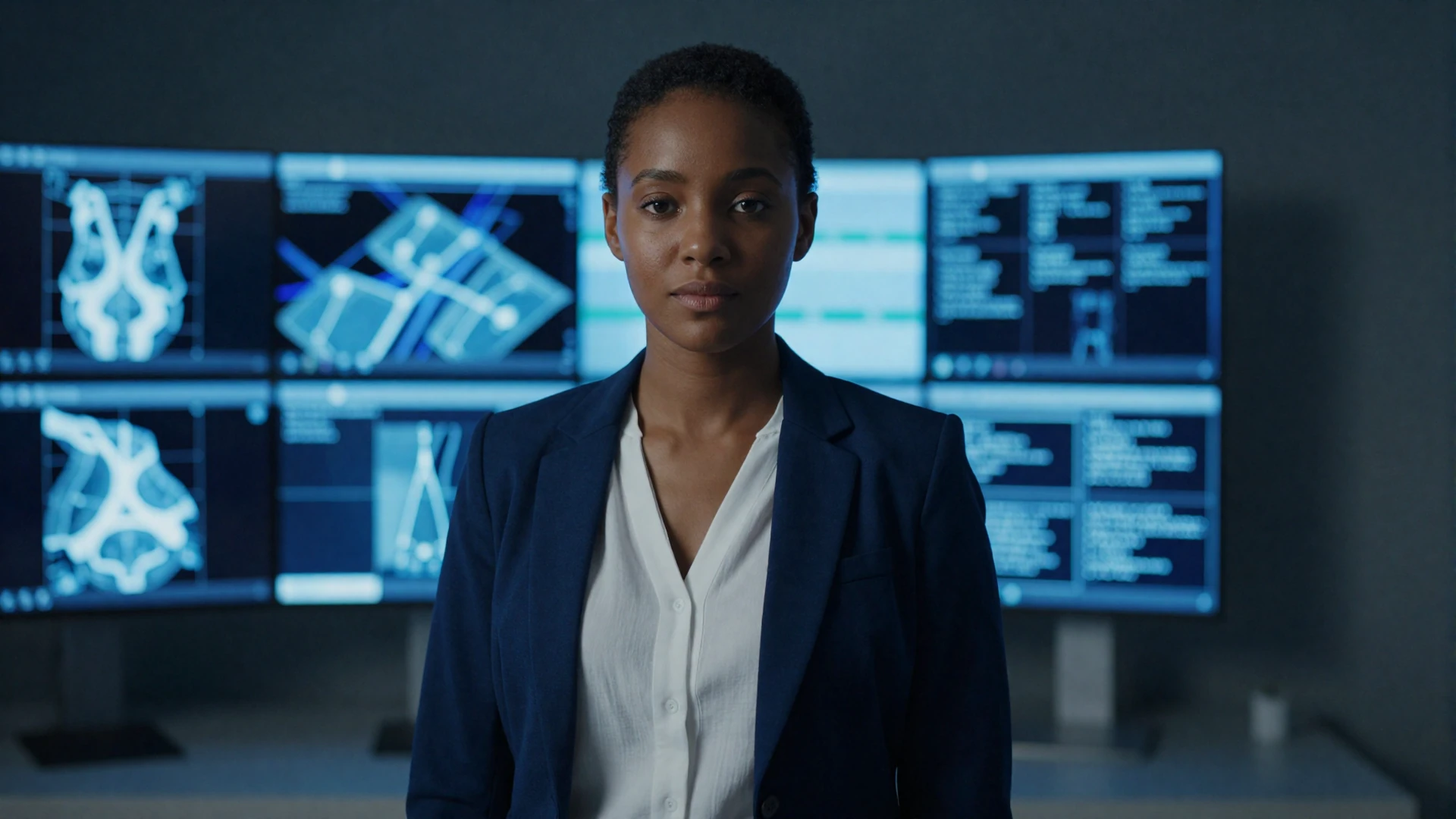
Radiologist Dating Site: Meet Women Who See What Others Miss
Radiologists are the diagnosticians every physician relies on - the ones who read the scans, spot the anomalies, and make the calls that guide treatment decisions. Dating a radiologist means being with a woman who combines extraordinary analytical skill with one of the most lifestyle-friendly schedules in medicine. Fewer call nights, higher income, and a mind trained to see patterns invisible to most people. If you're looking for doctor singles who bring intellectual depth and genuine work-life balance, this is where you'll find them.
Free to join · Verified physicians · Serious relationships only
Why Radiologists Offer the Most Predictable Schedule in Medicine
Radiology attracts physicians who are wired for pattern recognition and sustained concentration. The specialty demands the ability to interpret hundreds of images per day, identify subtle abnormalities, and communicate findings with precision. These same qualities shape how radiologists approach relationships - with thoughtfulness, reliability, and a rare gift for work-life balance.
A Schedule That Actually Allows for a Life
Unlike surgeons or ER doctors, most radiologists work predictable daytime hours. A typical attending radiologist starts between 7:30 and 8:00 AM and finishes by 5:00 PM, with minimal overnight call. Many diagnostic radiology positions involve no weekend coverage at all. According to the 2025 Medscape Physician Compensation Report, radiologists report some of the highest work-life balance satisfaction scores among all specialties. For a partner, this means evenings and weekends are genuinely available - a rarity in physician dating.
Among the Highest Incomes in Medicine
Radiology consistently ranks in the top ten highest-paid physician specialties. According to the 2025 Medscape Physician Compensation Report, radiologists earn an average of $513,000 annually, with subspecialists in interventional radiology or neuroradiology earning $600,000 or more. The income is stable and recession-resistant - imaging demand grows every year as the population ages and technology advances. For a partner, this means financial security without the grueling hours that typically accompany high physician salaries.
An Analytical Mind That Enriches Daily Life
Radiologists are trained to see what others miss. They spend their careers interpreting complex visual data, cross-referencing findings, and making high-stakes decisions based on subtle cues. This analytical mindset extends far beyond the reading room. Whether it's evaluating a real estate decision, researching a major purchase, or navigating a complex life choice, a radiologist brings a level of thoroughness and pattern recognition that makes everyday problem-solving sharper. She won't just accept surface-level answers - she'll dig deeper.

Here's the thing
Radiologists are the physicians other physicians turn to when they need answers. A single scan can contain thousands of images, and the radiologist is expected to find the one anomaly that changes everything. This level of sustained attention to detail builds a personality that notices things - the small shifts in mood, the unspoken concerns, the details that make a partner feel truly seen. When a radiologist pays attention to you, she really pays attention.
The Radiologist Lifestyle: Fewer Call Nights, More Quality Time
Understanding a radiologist's schedule is essential for anyone dating a doctor in this specialty. The rhythm of radiology work is shaped by imaging volume, reading room shifts, and the growing trend toward remote reading.
Reading Room Blocks and the Daily Flow
Most attending radiologists work in structured reading room blocks - scheduled sessions of interpreting studies that typically begin between 7:30 and 8:00 AM. A standard day involves reviewing dozens to hundreds of images across multiple modalities: X-rays, CT scans, MRIs, ultrasounds, and mammograms. The pace is intense but contained, with most days wrapping up by 5:00 PM. Unlike surgeons, who may be tied to a single long operation, radiologists move efficiently through a queue of studies, and when the list is done, the day is done.
The Shift Toward Remote Reading
One of the most significant changes in modern radiology is the growth of remote reading - also known as teleradiology. Many radiologists now interpret studies from home workstations, particularly for after-hours or subspecialty coverage. This means some radiologists have the flexibility to work from a home office, which can dramatically improve schedule flexibility. A partner of a remote-reading radiologist may find that lunch breaks, midday errands, and early finishes become part of the routine - a level of flexibility almost unheard of among physicians.
"Radiology gave me something I never expected in medicine - a life outside of it. I read scans all day, make critical diagnoses, and I'm home by 5:30. I can have dinner with my partner, go to the gym, read a book. People don't realize how rare that is in medicine. Most of my colleagues in other specialties are still at the hospital." - Dr. S., attending radiologist, 5 years in practice
Call Nights and Weekend Coverage
Here's where radiology truly stands apart. While most physician specialties require regular overnight call, many diagnostic radiology positions involve minimal or no call at all. When call does exist, it's typically handled through teleradiology - meaning the radiologist can take call from home, reading urgent studies on a workstation rather than being physically present in the hospital. This dramatically reduces the disruption that call typically causes in a relationship. Partners should still expect occasional evening or weekend coverage, but the frequency and intensity are far lower than in surgical or emergency specialties.
What does this mean in practice? It means date nights rarely get canceled. It means weekends are generally free. It means she can commit to plans a month in advance and actually keep them. For men who have experienced the frustration of dating doctors with unpredictable schedules, a radiologist's calendar is a revelation. For more on how specialty choice shapes relationship dynamics, read our guide on how medical specialties influence dating compatibility.
Compatibility: Radiologists and Diagnostic Specialists
Radiologists share the most natural compatibility with physicians who rely on imaging for diagnosis and treatment planning. Here's how radiology pairs with two closely related specialties.

Radiologist & Oncologist
Oncologists and radiologists work in tight collaboration - imaging is central to cancer staging, treatment monitoring, and follow-up. Both specialties deal with high-stakes diagnostic decisions that directly impact patient outcomes. An oncologist-radiologist couple shares a deep understanding of the weight of diagnostic uncertainty and the importance of clear communication. Their schedules also complement each other well: oncologists have structured clinic days while radiologists have predictable reading room hours.

Radiologist & Neurologist
Neurologists depend heavily on imaging - MRIs and CT scans are essential to neurological diagnosis. Both specialties attract deeply analytical physicians who thrive on solving complex diagnostic puzzles. A neurologist-radiologist couple shares an intellectual wavelength built on pattern recognition, careful observation, and evidence-based reasoning. Their schedules are also well-aligned: neurologists typically have structured clinic hours with limited call, while radiologists enjoy the most predictable hours in medicine.
Radiology by the Numbers
Radiology combines elite compensation with one of the most lifestyle-friendly schedules in medicine. Here's what the data reveals about income, training, and work hours for women radiologists.
Salary data: Medscape Physician Compensation Report 2025; Hours data: ACR Workforce Survey 2025; Training data: ACGME 2025
Radiologist Dating: Frequently Asked Questions
Direct answers about what it's really like to date a woman radiologist - from schedule predictability to remote work and the reality of dark reading rooms.
Diagnostic radiologists generally work the most predictable hours of any physician specialty. A typical attending radiologist works 7:30 AM to 5:00 PM with minimal or no overnight call. Many diagnostic radiology positions involve no weekend coverage at all. When call does exist, it's often handled through teleradiology from home rather than requiring physical hospital presence. According to the 2025 Medscape Physician Compensation Report, radiologists report some of the highest work-life balance satisfaction scores among all specialties, making them ideal partners for men seeking a relationship with a physician who has genuine time to invest.
Yes, a growing number of radiologists work remotely through teleradiology, interpreting studies from home workstations. This is particularly common for after-hours coverage, subspecialty reading, and locum positions. Remote reading gives radiologists significant schedule flexibility - some can take lunch breaks at home, finish early, or adjust their hours within reading room coverage windows. This level of flexibility is almost unheard of among other physician specialties and is one of the key lifestyle advantages of dating a radiologist.
Radiologists earn an average of $513,000 annually in the United States, according to the 2025 Medscape Physician Compensation Report. Subspecialists in interventional radiology, neuroradiology, or pediatric radiology can earn $600,000 or more. Radiology consistently ranks in the top ten highest-paid physician specialties. The income is also recession-resistant, as imaging demand grows steadily with an aging population and advancing technology. This combination of high income and predictable hours makes radiology one of the most financially and lifestyle-optimized specialties in medicine.
Radiologists work in dimly lit reading rooms to optimize image interpretation on high-resolution monitors. The environment is quiet, focused, and screen-intensive - similar to a high-end tech workspace. This doesn't mean radiologists are antisocial; they collaborate frequently with referring physicians through phone calls and consultation systems. The focused work environment actually builds concentration skills that translate well into relationships - radiologists tend to be attentive, deliberate, and present when they shift from work mode to personal time.
Radiology residency lasts five years after medical school. Many radiologists complete an additional one to two-year fellowship in subspecialties like neuroradiology, musculoskeletal imaging, interventional radiology, or breast imaging. Total education after high school spans approximately 13 years: four years of college, four years of medical school, and five years of residency. Medical school debt averages $250,000, but radiologists' high income allows for rapid repayment compared to lower-paying specialties.
More Doctor Specialties to Discover
Radiology is one of 22 physician specialties on NextDoctorDate. Explore related diagnostic and analytical specialties and learn how each shapes a different relationship rhythm.
If you're drawn to physicians who work closely with imaging, visit our oncologist dating site to learn about doctors who depend on radiology for cancer staging and treatment. Prefer someone who diagnoses complex neurological conditions? Our neurologist dating site covers everything from clinic schedules to analytical lifestyles. You can also browse all 22 doctor specialties or read our blog post on tips for building a healthy relationship with a woman doctor.