
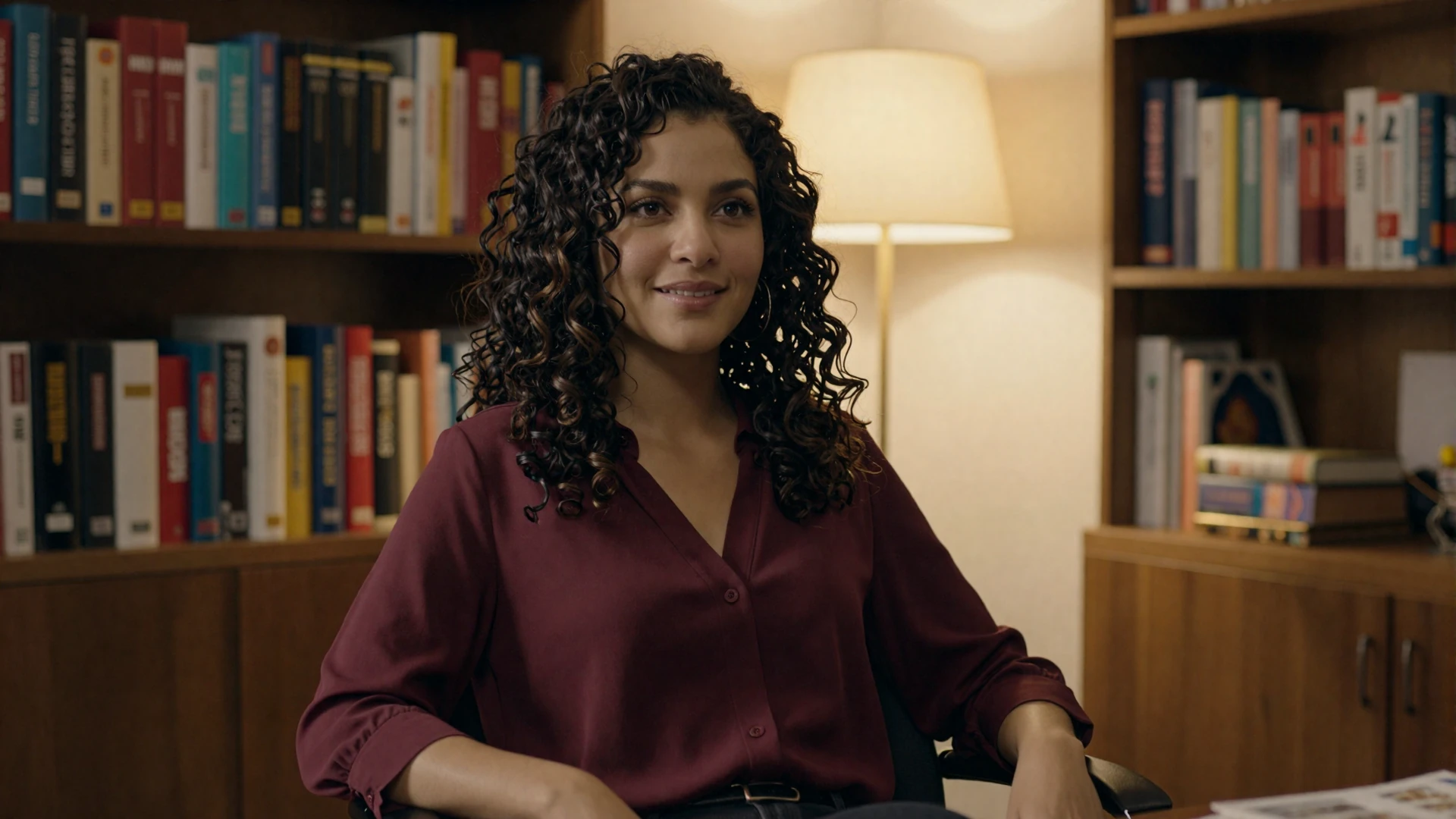
Psychiatrist Dating Site: Meet Women Who Understand the Mind and the Heart
Psychiatrists spend their careers studying human behavior, emotional regulation, and the science of connection. Dating a psychiatrist means being with a woman who listens deeply, communicates with intention, and brings a level of emotional intelligence that most people never encounter. If you're looking for doctor singles who combine clinical expertise with genuine relational warmth, this is where you'll find them.
Free to join · Verified physicians · Serious relationships only
Why Psychiatrists Bring Emotional Intelligence to Every Relationship
Psychiatry is the medical specialty dedicated to understanding the mind - how thoughts, emotions, and behaviors shape our experience of the world. Women who choose this path develop a rare combination of clinical precision and emotional depth that transforms how they show up in a relationship.
Emotional Intelligence as a Professional Skill
Psychiatrists are trained to read emotional cues that most people miss - microexpressions, tone shifts, patterns of avoidance, and the unspoken dynamics that drive behavior. This isn't just clinical observation; it's a way of being present with another person. In a relationship, this means a partner who notices when something is off before you say a word, who asks the right question at the right moment, and who creates space for honesty without judgment. According to a 2025 study published in the Journal of Psychiatric Practice, psychiatrists score in the top 15% of all medical specialties on standardized emotional intelligence assessments (J Psychiatric Practice, 2025).
Active Listening That Goes Beyond Surface Conversation
Psychiatrists spend their days listening - not just to words, but to what's underneath them. They're trained to hear the gap between what someone says and what they mean, to sit with silence, and to reflect back understanding rather than rushing to fix. This translates into conversations at home that feel genuinely heard rather than merely tolerated. A partner who listens professionally is a partner who listens personally, and the difference is palpable.
Conflict Resolution Rooted in Training
Psychiatrists don't avoid conflict - they're trained to navigate it. Years of managing therapeutic ruptures, de-escalating crises, and mediating between patients and families give them a toolkit most people never develop. When disagreements arise, a psychiatrist's instinct isn't to win or withdraw but to understand, name the dynamic, and work toward resolution. This makes for relationships that grow through conflict rather than fracture under it.
Here's the thing
Psychiatrists don't just study emotions - they practice them daily. Every patient session is an exercise in empathy, patience, and emotional regulation. They learn to hold space for pain without absorbing it, to stay grounded when others are spiraling, and to distinguish between their own feelings and someone else's. This emotional boundary work, repeated hundreds of times, becomes a way of moving through the world. When a psychiatrist chooses you, she brings that same presence, patience, and intentionality to the relationship.
The Psychiatrist Lifestyle: Outpatient Hours and Mental Space for Love
Among all physician specialties, psychiatry offers one of the most predictable and balanced schedules. Understanding this rhythm is key for anyone dating a doctor in this field - it shapes when you'll see each other, how stress enters the relationship, and what quality time looks like.
Outpatient Practice and Predictable Hours
Most psychiatrists work in outpatient settings - private practices, community mental health centers, or telepsychiatry platforms. A typical schedule involves 40 to 50 patient hours per week, usually structured as 30- to 50-minute appointments between 8 AM and 5 PM. Unlike surgeons or ER doctors, psychiatrists rarely take overnight call. When they do, it's typically phone-based triage rather than in-hospital emergencies, meaning fewer disrupted nights and more predictable weekends. This makes psychiatry one of the most schedule-friendly specialties for maintaining a relationship, as covered in our broader guide to building a healthy relationship with a woman doctor.
Emotional Labor and the Need for Decompression
Psychiatrists absorb a tremendous amount of emotional weight. They sit with trauma, grief, addiction, and crisis daily. While they're trained to maintain professional boundaries, the cumulative impact of holding space for others' pain is real. Some evenings, a psychiatrist may come home quieter than usual - not distant, but processing. The difference between a psychiatrist and many other professionals is that she'll likely name it: "I had a heavy day. Give me twenty minutes." This self-awareness is itself a relationship asset, but partners should understand that emotional availability can fluctuate with caseload intensity.
"Psychiatry taught me that the most powerful thing you can do for another person is be fully present. Not fix, not advise, not redirect - just be there, completely. That's what I bring home. When my partner talks, I listen the way I was trained to listen: with my whole attention, without an agenda, without waiting for my turn to speak." - Dr. R., attending psychiatrist, 8 years in practice
Work-Life Boundaries That Protect the Relationship
Psychiatrists generally have stronger work-life boundaries than many other specialists. Outpatient practice means no 2 AM emergency surgeries, no weekend rounds, and no overnight hospital calls that pull them away from home. When the last patient leaves at 5 PM, the workday ends. This creates protected time for the relationship - evenings, weekends, and vacations that are genuinely free. For men who value quality time and consistency, psychiatry offers a schedule that supports rather than competes with a serious relationship.
What does this mean in practice? It means dinner plans that hold. It means weekends that are actually weekends. It means a partner who can be fully present because she isn't carrying the fragmented sleep and residual stress of overnight call. The trade-off is that psychiatrists carry emotional weight differently - not as acute crisis, but as cumulative exposure to human suffering. A partner who understands this distinction and offers a calm, non-judgmental space for decompression will thrive with a psychiatrist.
Compatibility: Psychiatrists and Other Medical Specialists
Psychiatrists share natural compatibility with physicians who appreciate emotional depth and intellectual curiosity. Here's how psychiatry pairs with two closely related specialties.

Psychiatrist & Neurologist
Psychiatrists and neurologists approach the brain from complementary angles - one from the perspective of mind and behavior, the other from the perspective of neural circuitry and disease. This intellectual overlap creates a shared language and mutual fascination that few specialty pairings can match. Both specialties value analytical thinking, patient observation, and the willingness to sit with complexity. A psychiatrist-neurologist couple can talk about the brain from both sides and never run out of conversation.
Psychiatrist & Internist
Psychiatrists and internists share a foundation in comprehensive, whole-patient care. Internists manage the body's complex systems; psychiatrists manage the mind's. Together, they represent the two pillars of holistic medicine. Both specialties value longitudinal patient relationships, careful diagnosis, and thinking beyond the obvious. A psychiatrist-internist couple brings complementary expertise to family life - one understanding the physical, the other the psychological - creating a partnership that covers the full spectrum of health.
Psychiatry by the Numbers
Psychiatry combines meaningful patient relationships with a balanced lifestyle. Here's what the data reveals about income, training, and work hours for women psychiatrists.
Salary data: Medscape Physician Compensation Report 2025; Hours data: APA Practice Survey 2025; Training data: ACGME 2025
Psychiatrist Dating: Frequently Asked Questions
Direct answers about what it's really like to date a woman psychiatrist - from emotional boundaries to schedule predictability and professional ethics.
No. Professional ethics and training prevent psychiatrists from diagnosing or treating people in their personal lives. While they may notice emotional patterns more readily than most people, they are trained to maintain clear boundaries between clinical work and personal relationships. A psychiatrist's partner gets the benefit of emotional intelligence and attentive listening - not clinical scrutiny. Most psychiatrists are deliberate about leaving their diagnostic lens at the office.
Psychiatrists typically work outpatient schedules - 40 to 50 patient hours per week, usually between 8 AM and 5 PM. Overnight call is rare and often phone-based rather than in-hospital. This makes psychiatry one of the most schedule-friendly physician specialties for relationships. Evenings and weekends are generally protected, dinner plans hold, and vacations are rarely disrupted by emergencies. The main variable is emotional energy after heavy caseload days, but this typically resolves with brief decompression time.
Psychiatrists sit with trauma, grief, and crisis daily, which builds remarkable emotional resilience but also means some evenings require decompression. Unlike surgical specialties where stress is acute and physical, psychiatric stress is cumulative and emotional. The good news is that psychiatrists are trained to recognize and name their own emotional states, so they'll often communicate directly: 'I need a quiet evening.' A partner who offers a calm, non-judgmental space for this transition will thrive. The emotional awareness psychiatrists develop professionally often enriches the relationship itself.
Psychiatrists earn an average of $309,000 annually in the United States, according to the 2025 Medscape Physician Compensation Report. Those in private practice, telepsychiatry, or subspecialties like addiction medicine or child psychiatry can earn $350,000 or more. While not the highest-paid specialty, psychiatry offers strong income stability, growing demand, and excellent work-life balance - a combination that makes it increasingly attractive. The Bureau of Labor Statistics projects a 7% growth in psychiatrist demand through 2032, well above the average for all physicians.
The pros include exceptional emotional intelligence, active listening skills, strong conflict resolution abilities, a predictable outpatient schedule, and clear work-life boundaries. Psychiatrists are also direct communicators who value honesty and self-awareness. The cons include the cumulative emotional weight of their work, occasional evenings that require quiet decompression, and the reality that medical school debt averages $250,000. Overall, psychiatrists offer a rare combination of emotional depth, schedule stability, and communication skills that makes them outstanding partners for serious, long-term relationships.
More Doctor Specialties to Discover
Psychiatry is one of 22 physician specialties on NextDoctorDate. Explore related specialties and learn how each shapes a different relationship rhythm.
If you're drawn to the analytical side of medicine, visit our neurologist dating site to learn about doctors who diagnose and treat disorders of the brain and nervous system. Prefer someone who takes a whole-body approach to patient care? Our internist dating site covers everything from chronic disease management to the doctor-patient relationship. You can also browse all 22 doctor specialties or read our blog post on why emotional intelligence matters in doctor relationships.